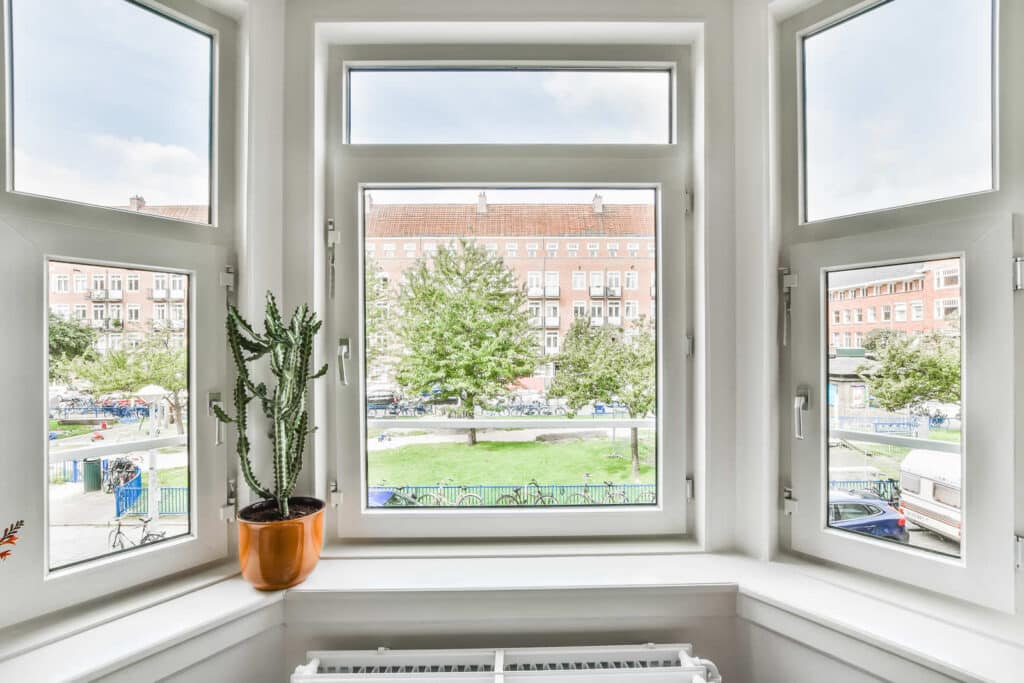
UPVC (Unplasticised Polyvinyl Chloride) windows have become popular among UK homeowners due to their durability, energy efficiency, and low maintenance requirements. Despite their reputation for being low-maintenance, regular cleaning is still essential to keep them looking their best and functioning optimally.
While UPVC windows & doors are designed to be weather-resistant and long-lasting, they can still accumulate dirt, grime, and other environmental pollutants over time. This buildup can make your windows look unsightly and potentially lead to premature wear and tear if left unchecked.
To maintain the pristine appearance of your UPVC windows, it’s recommended that they be cleaned at least once every three months, or more frequently if they are exposed to particularly harsh conditions. The cleaning process is relatively straightforward and can be accomplished with a few simple household items.
How to Clean Inside uPVC Window Frames
One of the benefits of uPVC windows is their low-maintenance nature. However, dirt and grime can build up in the frame’s grooves and cavities over time, making them look unsightly. Fortunately, cleaning the inside of uPVC window frames is a simple process that requires a few basic tools and techniques.
Start by gathering the necessary supplies: a soft-bristled brush, a vacuum cleaner with a crevice tool attachment, and a mild detergent solution. Vacuum the frame’s interior to remove any loose debris or dust particles, paying close attention to the corners and crevices where dirt tends to accumulate.
Next, dip the soft-bristled brush into the mild detergent solution and gently scrub the frame’s interior surfaces. Avoid using abrasive cleaners or scouring pads, which can scratch or damage the uPVC material. For stubborn stains or built-up grime, you may need to let the detergent solution sit for a few minutes before scrubbing.
After scrubbing, wipe away any excess moisture with a clean, dry cloth. Make sure to thoroughly dry the frame’s interior to prevent water spots or mould growth.
Regular cleaning of uPVC window frames not only improves their appearance but also extends their lifespan by preventing the accumulation of dirt and debris that can lead to premature deterioration.
Here are some steps to clean uPVC windows & doors:
- Remove Loose Dirt and Debris: Start by using a vacuum cleaner with a narrow nozzle to remove loose dirt and dust from the window frame’s interior. Pay special attention to the corners and the grooves where debris tends to accumulate. This will prevent dirt from smearing when you start cleaning with water.
- Prepare Your Cleaning Solution: In a bucket, mix a few drops of mild detergent with warm water. If using a specialised uPVC cleaner, follow the instructions provided on the product label. Avoid using abrasive cleaners or scouring pads as these can scratch the surface of the uPVC.
- Wipe Down the Frame: Dip a soft cloth or sponge into the cleaning solution, wring it out to remove excess water, and begin wiping down the window frame. Start from the top and make your way down to ensure any drips are cleaned as you go. For stubborn stains or ingrained dirt, gently scrub the area with a soft-bristled brush or toothbrush.
- Rinse with Clean Water: Once you’ve thoroughly cleaned the frame, it’s essential to remove any soap residues that might attract more dirt. Dampen a clean cloth in fresh water and wipe over the entire area to rinse away the detergent.
- Dry the Frame: Use a microfibre cloth to dry the window frame completely. This will not only prevent water spots but also give your uPVC a polished look.
- Regular Maintenance: To keep your uPVC window frames looking pristine, perform regular maintenance by wiping them down with a damp cloth every few weeks. This will help in maintaining their appearance and preventing build-up of grime.
How to Clean Mould off uPVC Window Frames
Mould growth on uPVC window frames is common, especially in damp or humid environments. However, it’s essential to address this problem promptly to prevent further spread and maintain the aesthetic appeal of your windows. Here’s a step-by-step guide on how to clean mould off uPVC window frames effectively:
- Prepare the cleaning solution: Mix equal parts of warm water and household bleach in a bucket or spray bottle. Alternatively, you can use a specialised uPVC cleaner to remove mould and mildew.
- Protect surrounding areas: Cover nearby surfaces, such as windowsills or walls, with plastic sheeting or cloth to prevent the cleaning solution from causing any damage or stains.
- Apply the cleaning solution: Using a soft-bristled brush or a sponge, apply the cleaning solution to the affected areas of the uPVC window frames. Gently scrub the mouldy areas, ensuring that the solution penetrates the surface.
- Let it sit: Allow the cleaning solution to sit on the mouldy areas for several minutes. This will give the solution time to work on breaking down the mould and making it easier to remove.
- Scrub and rinse: After letting the solution sit, use a soft-bristled brush or a sponge to scrub the mouldy areas again. Rinse the frames thoroughly with clean water to remove any remaining cleaning solution and mould residue.
- Dry the frames: Use a clean, dry cloth or a microfiber towel to wipe down the uPVC window frames, ensuring they are dry. This will help prevent future mould growth.
Wear protective gloves and ensure proper ventilation while cleaning mould off uPVC window frames. If the mould growth is severe or persistent, seeking professional assistance or considering replacing the affected window frames may be necessary.
How to Clean uPVC Window Sills
To start cleaning your uPVC window sills, remove any loose debris such as dust, dirt, or dead bugs using a soft brush or vacuum cleaner with a brush attachment. This will help prevent scratching the surface when you move on to the next steps. Next, mix a solution of warm water and mild dish soap in a bucket. Dip a soft cloth or sponge into the soapy water and gently scrub the window sills to remove any built-up grime. Be sure to pay extra attention to the corners and edges where dirt accumulates.
After scrubbing the uPVC window sills with soapy water, rinse them thoroughly with clean water using a separate cloth or sponge. This will help remove any remaining soap residue and leave your window sills shiny and clean. Once you have rinsed off all the soap, dry the window sills with a clean towel to prevent water spots from forming. For stubborn stains that won’t come off with just soap and water, you can try using a specialised uPVC cleaner or a baking soda and water paste to spot-treat problem areas.
In addition to regular cleaning, it’s crucial to maintain your uPVC window sills by wiping them down regularly with a damp cloth to prevent dirt from building up over time. You can also apply a small amount of baby oil, or WD-40, to a cloth and buff it onto the surface of your window sills to keep them looking shiny and protect them from UV damage. Lastly, avoid using abrasive cleaners or harsh chemicals on uPVC surfaces, as they can cause irreversible damage.
How to Clean uPVC Doors
One area that often gets overlooked in the cleaning process is uPVC doors. These doors are durable, energy-efficient, and low-maintenance, but they still require regular cleaning to keep them looking their best. In this blog post, we will provide you with a step-by-step guide on properly cleaning uPVC doors so that they stay in top condition for years to come.
Gather your supplies – Before cleaning your uPVC doors, gather all the necessary supplies. You will need a bucket of warm, soapy water (dish soap works well), a soft cloth or sponge, a scrub brush for tougher stains, and a towel for drying.
Remove any surface dirt – Start by wiping down the door with a damp cloth or sponge to remove any surface dirt or dust. Pay special attention to the door handles and any grooves where dirt may accumulate.
Wash with soapy water – Once you have removed the surface dirt, dip your cloth or sponge into the warm, soapy water and gently scrub the door from top to bottom. Be sure to rinse out your cloth frequently to avoid spreading dirt around. For tougher stains, use a scrub brush, but be careful not to scratch the uPVC material.
Rinse and dry – After you have cleaned the entire door, rinse it off with clean water using a separate cloth or sponge. Make sure to dry the door thoroughly with a towel to prevent water spots from forming.
Polish for extra shine – If you want your uPVC door to shine, consider using a specialised uPVC cleaner or polish after it has been cleaned and dried. Follow the instructions on the product carefully and buff the door until it gleams.
Maintain regularly – To keep your uPVC doors looking their best, it’s important to establish a regular cleaning routine. Aim to clean them every few months or as needed, depending on how dirty they get.
How Can I Get My uPVC White Again?
Are you tired of looking at your once pristine white uPVC windows and doors that have now turned a dull shade of yellow or grey? Don’t worry, you’re not alone! Over time, exposure to the elements can cause uPVC to lose its bright white colour and become discoloured. But fear not. There are some simple yet effective ways to restore your uPVC back to its original white hue.
Regular Cleaning
The first step in maintaining the whiteness of your uPVC is regular cleaning. Use a mild detergent with warm water and a soft cloth to gently wipe down your uPVC windows and doors. Avoid using harsh chemicals or abrasive materials, as these can damage the surface of the uPVC. Regularly cleaning your uPVC can prevent dirt and grime from building up and causing discolouration.
Baking Soda Paste
For more stubborn stains or discolouration, you can mix baking soda with water until it forms a thick consistency. Apply the paste to the discoloured areas of your uPVC and gently scrub with a soft brush or sponge. Allow the paste to sit for about 10-15 minutes before rinsing it off with warm water. Baking soda is known for its abrasive properties, which can help lift tough stains and restore the whiteness of your uPVC.
Professional Cleaning Services
If all else fails, consider hiring Professional Cleaning Services specialising in restoring uPVC surfaces. These professionals have access to specialised cleaning products and equipment that can effectively remove deep-seated stains and discolouration from your uPVC windows and doors. While this option may come at an additional cost, it is worth considering if you want guaranteed results without risking damage to your uPVC.
Prevention is Key
To prevent future discolouration of your uPVC, consider applying a protective coating or sealant designed explicitly for uPVC surfaces. This will create a barrier against dirt, UV rays, and other elements that could cause discolouration over time. Additionally, make it a habit to regularly clean your uPVC windows and doors as part of your home maintenance routine to keep them looking bright and white for years to come.
Can You Clean uPVC with White Spirit?
White spirit, also known as mineral spirits or paint thinner, is a solvent commonly used to thin oil-based paints and varnishes and to clean brushes and other painting equipment. However, it’s generally not recommended for cleaning uPVC surfaces.
The main reason is that white spirit is a strong solvent that can potentially cause discolouration, hazing, or even degradation of the uPVC material over time. uPVC is a type of plastic, and strong solvents like white spirit can interact with and break down the polymer chains, leading to a loss of structural integrity and a dull, discoloured appearance.
Instead of using white spirit, it’s recommended to clean uPVC surfaces with mild, non-abrasive cleaners specifically formulated for plastics or uPVC. These cleaners are designed to be gentle and effective without damaging the material. Warm, soapy water or a diluted solution of mild detergent can also be used for general cleaning purposes.
Step By Step
Things you’ll need:
- Bucket
- Warm water
- Soft sponge or cloth (microfibre cloths work well)
- White vinegar (optional)
- Spray bottle (optional)
- Soft bristled brush (for vacuum attachment)
- Vacuum cleaner (optional)
Cleaning the Frames and Sills:
- Remove loose dirt and debris: Open the windows and doors fully. Use a vacuum cleaner with a soft brush attachment to remove any loose dirt, cobwebs, or dust from the frames, sills, and tracks.
- Wash with warm soapy water: Fill a bucket with warm water and add a few drops of washing-up liquid. Dip your sponge or cloth into the soapy water, wring it out so it’s damp but not dripping, and wipe down the entire UPVC frame and sill.
- For stubborn dirt or discolouration: If the frames are very dirty or discoloured, you can use a solution of white vinegar and water. Mix 1 cup of white vinegar with 4 cups of hot water in a spray bottle. Spray the solution onto the UPVC frames and sills, leave it to sit for 10 minutes, then wipe clean with a damp cloth.
- Rinse and dry: Rinse your cloth in clean water and wipe down the frames and sills again to remove any soap residue. Dry everything with a clean, dry cloth.
Cleaning the Window Panes:
- Choose the right day: It’s best to clean windows on a cool, cloudy day to avoid streaks caused by cleaning solution drying too quickly in the sun.
- Remove dust and cobwebs: Use a dry microfiber cloth to remove any dust, cobwebs, or loose dirt from the glass panes.
- Wash with soapy water: Fill your bucket with fresh warm soapy water. Dip your clean sponge or cloth, wring it out, and wipe down the window panes.
- Dry and buff: Use a clean, dry microfiber cloth to dry the window panes and buff them to a streak-free shine. You can also use crumpled newspaper for drying and polishing if you prefer.
Important Tips:
- Avoid using abrasive cleaners, scouring pads, or stiff brushes on UPVC windows and doors, as these can scratch the surface.
- If you’re unsure about using a particular cleaning solution on your UPVC windows and doors, it’s always best to test it on a small, inconspicuous area first.
- For heavily stained or neglected UPVC windows and doors, you may want to consider using a specialist UPVC cleaner.
- Regularly cleaning your UPVC windows and doors will help to keep them looking their best and prevent the build-up of dirt and grime.
Are you looking for Window Cleaning in Chalfont? Look no further. Contact us at Abacus Window Cleaning to ask about our gutter cleaning service.