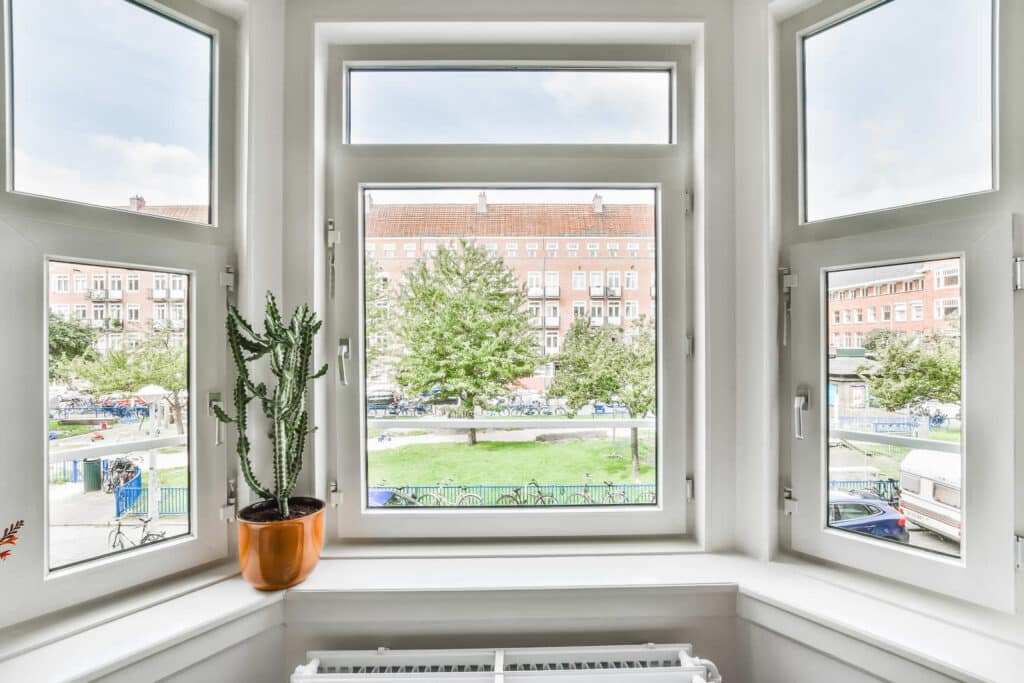
The time of day can make a noticeable difference when cleaning windows. Choose the wrong conditions and cleaning solution may dry before you have time to remove it, leaving streaks, smears and water spots across the glass.
For most homes, the best time to clean windows is during the morning or late afternoon, when the glass is cool and not exposed to strong direct sunlight. An overcast but dry day can be even better because the cleaning solution remains workable for longer.
However, the ideal time depends on the direction the windows face, the season, the weather and the cleaning method being used.
Why Does the Time of Day Matter?
Window cleaning involves applying water or cleaning solution, loosening the dirt and removing or rinsing away the residue. You need enough time to complete each stage before the liquid evaporates.
When glass becomes hot in direct sunlight, water dries much faster. This can leave behind:
- Cleaning-product residue
- Mineral deposits from tap water
- Soap marks
- Uneven streaks
- Dried droplets
- Smears from cloths or squeegees
Cooler glass gives you more control. You can work across the entire pane without rushing and remove the cleaning solution before it dries.
Light levels matter too. Strong sunlight can make marks easier to see, but glare can hide streaks while you are working. Softer daylight usually makes it easier to inspect the finished window from different angles.
Is Morning the Best Time to Clean Windows?
Morning is often a good time to clean windows, particularly during spring and summer. Temperatures are usually lower, and many elevations remain shaded before the sun moves around the property.
There are a few factors to consider.
Early in the morning, the glass may still be covered with dew or exterior condensation. This is not necessarily a problem, but it can dilute your cleaning solution and make it harder to judge how much water you are applying.
You should also avoid cleaning windows when frost or ice is present. Very cold glass can make the work uncomfortable and may cause water to freeze around frames, sills and paths.
A mid-morning clean is often ideal once overnight moisture has cleared but before the windows become hot.
Is Late Afternoon a Good Time to Clean Windows?
Late afternoon can also provide suitable conditions, especially after direct sunlight has moved away from the windows.
West-facing glass may still be very warm during the late afternoon and early evening. East-facing and north-facing windows, however, are often cooler by this point.
The main disadvantage of cleaning too late is reduced daylight. It becomes harder to see smears and dried residue as the light fades. You may believe the window is clean, only to notice streaks the following morning.
Allow enough time for the work to be completed and inspected before sunset.
Should You Clean Windows in Direct Sunlight?
Cleaning windows in strong direct sunlight is best avoided where possible.
The sunlight itself does not damage the glass during cleaning. The problem is the heat it creates. Cleaning solution can begin drying almost immediately on a warm pane, particularly during summer.
This leaves less time to:
- Agitate stubborn dirt
- Reach the edges and corners
- Use a squeegee correctly
- Buff away small smears
- Rinse away detergent
- Check the finished result
If a window must be cleaned in sunlight, work in small sections rather than covering the entire pane at once. Use less cleaning product and remove it promptly.
You can also follow the shade around the building. Start with the windows that receive morning sun after the sunlight has moved away, then clean shaded elevations before they warm up later in the day.
Is an Overcast Day Better for Window Cleaning?
A bright but overcast day often provides the best conditions for window cleaning.
Cloud cover prevents the glass from becoming too hot while still providing enough natural light to see dirt and streaks. The cleaning solution remains wet for longer, giving you time to work methodically.
An overcast day is particularly helpful when cleaning:
- Large picture windows
- Bi-fold doors
- Conservatory glass
- Shopfront windows
- Patio doors
- Glass balustrades
- Roof lanterns
- Multiple windows around the same property
You should still check the weather forecast. Heavy rain, strong wind or a sudden drop in temperature may make the work less practical or unsafe.
Can You Clean Windows at Midday?
Windows can be cleaned at midday, but conditions are often less favourable.
During summer, the middle of the day usually brings the strongest sunlight and highest temperatures. South-facing and west-facing panes can become particularly hot.
Midday cleaning may be more successful during autumn or winter, when the sun is weaker and the temperature is lower. It may also be suitable for windows that remain permanently shaded by surrounding buildings, trees or roof overhangs.
Before starting, place your hand near the glass. If the pane feels noticeably warm, wait until it has cooled or begin on another side of the property.
Does the Direction of the Window Matter?
The direction a window faces affects when it receives direct sunlight.
East-facing windows
These receive the strongest sunlight during the morning. They are usually easier to clean later in the day after the glass has cooled.
South-facing windows
South-facing glass receives sunlight for much of the day. Early morning, later afternoon or a cloudy day may provide the best opportunity.
West-facing windows
These tend to become warm during the afternoon and evening. Cleaning them in the morning is often more practical.
North-facing windows
North-facing panes receive less direct sunlight and can usually be cleaned at a wider range of times.
The exact pattern will depend on nearby houses, trees, fences and extensions. Observe when each part of your property is shaded and plan the work accordingly.
What Is the Best Time to Clean Windows in Summer?
During summer, aim to clean windows early in the morning or during the cooler part of the late afternoon.
Avoid the hottest hours of the day, especially when working on south-facing glass. Heat causes water and cleaning products to evaporate quickly, increasing the likelihood of streaking.
Summer also brings higher levels of pollen, insects and garden dust. If the windows are heavily affected, rinse or brush away loose debris before applying your main cleaning solution. This reduces the risk of dragging grit across the glass.
Do not overlook your own safety. Prolonged work in direct sunlight can cause dehydration and fatigue, particularly when moving equipment or using extension poles.
What Is the Best Time to Clean Windows in Winter?
The best time during winter is usually late morning or early afternoon, once frost has cleared and temperatures have risen.
Avoid cleaning when:
- The glass is frozen
- Paths are icy
- Water may freeze on the ground
- Frames are covered with frost
- Temperatures are close to freezing
- Strong winds make access equipment unsafe
Very cold water can be uncomfortable to work with, while warm or hot water should not be applied suddenly to freezing glass. A rapid temperature change may place unnecessary stress on the pane.
Choose the mildest part of the day and allow enough daylight to complete the work safely.
Can Windows Be Cleaned in Light Rain?
Light rain does not always prevent professional window cleaning. Modern purified-water systems are designed to rinse the glass and allow it to dry naturally.
Rain itself is not normally what makes clean windows dirty. Visible marks appear when rain mixes with dust, pollen and other contaminants already present on the glass or frames.
Traditional interior cleaning is less affected by outside rain, although poor daylight may make it harder to check the finish.
Window cleaning should generally be postponed during:
- Heavy rain
- Thunderstorms
- Strong winds
- Hail
- Snow
- Freezing conditions
- Weather that affects visibility or safe access
The cleaning method and the safety of the person carrying out the work are more important than following a fixed rule about rain.
What Is the Best Time to Clean Inside Windows?
Interior windows can be cleaned at almost any time because the glass is protected from wind, rain and direct exterior contamination.
However, direct sunlight can still heat the pane and cause cleaning solution to dry too quickly on the inside. Morning or late afternoon remains preferable for windows receiving strong sun.
Good natural light helps reveal:
- Fingerprints
- Cooking residue
- Dust
- Pet marks
- Smears around the edges
- Cleaning-product residue
Try looking through the glass from several angles. Marks that are invisible when viewed directly may become obvious when you move to the side.
It can also help to clean the inside and outside using different wiping directions. For example, finish the interior horizontally and the exterior vertically. If a streak remains, its direction will indicate which side of the pane needs more attention.
When Should You Clean Conservatory Windows?
Conservatories can become hot very quickly, even when the outside temperature feels mild. For this reason, early morning or an overcast day is usually best.
Roof panels and south-facing sections may become too warm to clean effectively by midday. Large areas of glass also take longer to complete, increasing the risk that cleaning solution will dry before you reach it.
Begin with the roof and upper panels so dirty water does not run onto sections you have already cleaned. Work downwards towards the doors, frames and lower panes.
Professional cleaning may be preferable where roof panels are difficult to reach. You should not stand or lean on conservatory roofs unless the structure has been specifically designed for that purpose.
When Should Shopfront Windows Be Cleaned?
Shopfront windows are often cleaned before the business opens. This reduces disruption and allows the frontage to be prepared before customers arrive.
Early cleaning can also avoid:
- Busy pedestrian traffic
- Customers entering and leaving
- Deliveries blocking the windows
- Strong midday sunlight
- Smears from people touching freshly cleaned glass
Some premises may prefer cleaning after closing, particularly where the pavement remains busy in the morning. The right time depends on trading hours, access and the direction the frontage faces.
Restaurants and cafés may benefit from cleaning between service periods, while offices may prefer work before employees arrive.
Is There a Best Time for Professional Window Cleaning?
Professional window cleaners work across a range of weather and lighting conditions. Purified-water equipment is less dependent on immediate hand-drying than traditional methods, allowing exterior work to continue during many normal conditions.
The exact appointment time may be influenced by the cleaner’s route, parking, access and other nearby customers. A professional should still consider extreme heat, freezing conditions and unsafe weather.
For commercial work, the best time is often the period that causes the least disruption rather than the coolest hour of the day.
How to Reduce Streaks Whatever Time You Clean
Choosing favourable conditions helps, but your technique and equipment remain important.
Use clean tools. Dirty cloths and worn squeegee rubber can spread residue across the pane.
Avoid using too much detergent. Excess soap is difficult to remove and often causes smears.
Work from the top down so dirty water does not run over completed sections.
Dry the edges and sill after using a squeegee. Water left around the frame can creep back onto the glass.
Change the water when it becomes dirty. Continuing with grey water simply transfers grime from one window to another.
Use lint-free microfibre cloths rather than paper towels that may leave fibres behind.
Do not apply hard tap water and allow it to dry naturally. The minerals can leave visible white spots, especially in hard-water areas.
Plan Window Cleaning Around Shade and Temperature
There is no single time that works perfectly for every window. The best approach is to follow the shade around the property and avoid cleaning glass when it is extremely hot or frozen.
For most households:
- Clean during the morning or late afternoon
- Choose a dry, overcast day where possible
- Avoid strong direct sunlight
- Clean west-facing windows in the morning
- Leave east-facing panes until later
- Use late morning during mild winter weather
- Avoid frost, ice and extreme heat
Cool glass gives you longer to clean, rinse and inspect each pane. This makes it easier to achieve a clear finish without streaks, dried droplets or detergent residue.