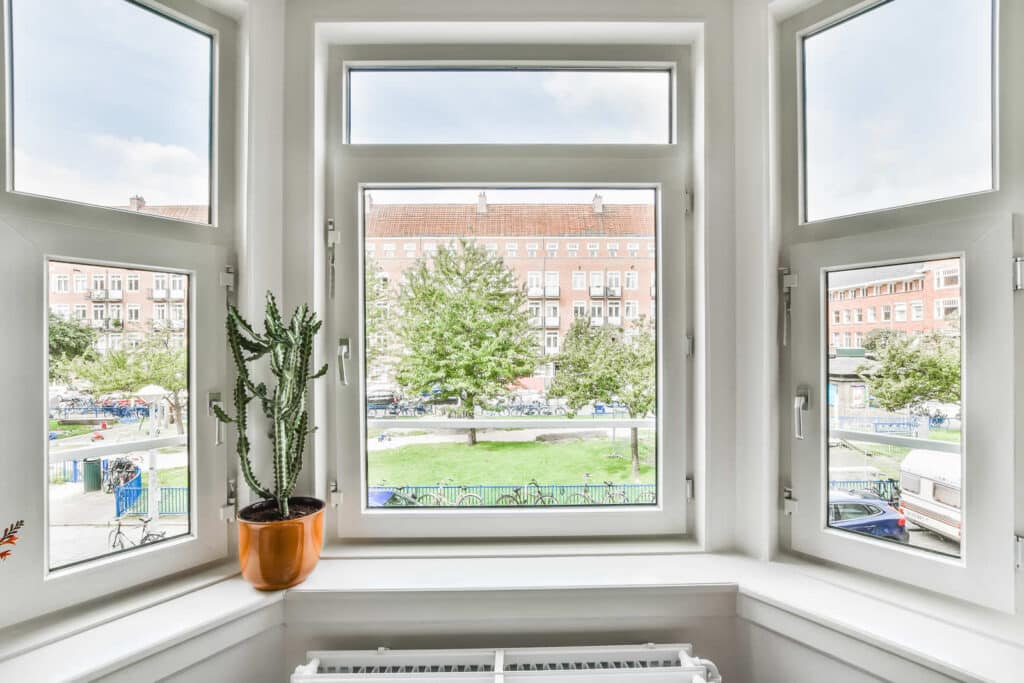
Dirty and damaged window seals make your heating and cooling systems work overtime. This leads to higher energy costs.
Your windows often go unnoticed until they become visibly grimy. Experts suggest cleaning indoor windows monthly to keep them clear and prevent dirt from blocking sunlight. Commercial properties with presentation windows might need weekly cleaning to look professional.
We created this complete guide to help you clean inside windows properly. Our guide covers everything from removing stubborn water marks to achieving a streak-free finish. The best time to clean windows is during overcast days. This helps avoid streaks from direct sunlight, and you’ll learn exactly why this matters.
Essential Window Cleaning Tools
You need the right cleaning tools to keep your windows spotless. Local hardware stores and online retailers stock all the tools that professional window cleaners use.
Simple supplies needed
A good window cleaning kit needs a squeegee with a sharp rubber blade, a bucket, and a spray bottle to apply cleaning solutions. A vacuum cleaner with a brush attachment is a great way to get rid of dust and debris from window sills and frames. A scrubber or sponge helps you remove stubborn dirt.
Keep spare rubber blades handy to maintain your squeegee. Nothing should touch the blade during storage to keep it working well. A 5-gallon plastic bucket gives you plenty of space to mix and carry cleaning solutions.
Choosing the right cloths
Professional cleaners prefer microfibre cloths because they leave no streaks. Different types of microfibre cloths serve specific purposes:
- Precision Microfibre: These thin, high-quality cloths work great in corners and give perfect finishing touches.
- Fishscale Microfibre: This variety has a unique weave that creates extra surface area to attract dust and lint better.
- Sill Cloths: These thicker, more absorbent cloths work best for window frames and sills.
The best microfibre cloths contain 80% polyester and 20% polyamide and last up to 300 washes. You can extend their life by washing them at up to 90°C with minimal detergent. Don’t use fabric softeners.
Natural cleaning solutions
Making eco-friendly cleaning solutions at home saves money and helps the environment. Mix equal parts white vinegar and water in a spray bottle for a simple yet powerful cleaner. A few drops of dish soap make it cut through grease better.
Hard water areas need distilled water in the cleaning solution to avoid mineral deposits and streaks. Here’s another recipe that works well:
- 2 cups water
- 1/2 cup white or cider vinegar
- 1/4 cup rubbing alcohol (70% concentration)
- 2 drops grease-cutting dish liquid
This homemade solution costs about £0.24 per bottle, while store-bought options cost £2.78 or more. These natural solutions are safer for families and pets and give professional results.
Be careful with vinegar-based solutions around marble, granite, or slate surfaces because the acid might damage them. Test new cleaning solutions on a small hidden area first to check if they’re safe for the surface.
Preparing Your Windows
Getting your windows properly prepared will give you the best cleaning results. You should know your window type and clear away any debris to make your cleaning more effective.
Remove dust and debris
Start by getting rid of loose particles on your windows. A vacuum cleaner with a brush attachment works great to clean window frames, sills, and tracks. Focus your cleaning on:
- Window tracks and sliding mechanisms
- Corner crevices where dirt builds up
- Window frames and casings
- Window sills and surrounding areas
Once you’ve finished hoovering up the dirt, wipe down any leftover dust with a microfibre cloth or soft duster. This original dry cleaning step stops mud from forming when you add cleaning solutions. Window tracks need extra attention because too much dirt can block the frame and make windows hard to close.
Put towels under wooden windowsills to catch drips that might damage them. Wooden frames need special care, and limiting water contact helps prevent warping and rot.
Check Window Type and Material
Your window type and material are vital factors because each window needs a specific cleaning approach. Windows usually come in two main types:
Fixed Windows:
- Non-operational
- Need cleaning on both sides
- Often have special coatings that need gentle care
Operable Windows:
- Include single-hung, double-hung, casement, and sliding types
- Have moving parts that need extra care
- Need regular track and mechanism maintenance
To cite an instance, double-hung windows have two movable sashes that tilt inward, which makes outside cleaning easier. Casement windows open outward with a crank mechanism and need gentle cleaning around their moving parts to avoid damage.
Aluminium and uPVC windows usually need less maintenance than wooden frames. Notwithstanding that, regular cleaning is important, especially when you have:
- Urban areas: Clean frames every three months
- Coastal regions: Clean more often due to salt exposure
- Rural locations: Twice-yearly cleaning is enough
Properties near production sites or construction areas, where dust and dirt fill the air, need more frequent cleaning. The same goes for coastal properties because of salt water exposure.
Look for these specific issues before using any cleaning solutions:
- Dried or cracked paint on glass surfaces
- Leftover adhesive from stickers or labels
- UV or Low-E coatings that need special care
- Damaged seals or weather stripping
Good preparation and knowing your window type will help you clean better and protect your windows from damage. Different window materials and designs need different maintenance approaches, so getting a full picture first is vital to clean effectively.
Best Way to Clean Inside Windows
You need proper cleaning techniques to get crystal-clear windows. Professional window cleaners use specific methods that give spotless results every time.
Top-Down Cleaning Technique
The best results come from a systematic approach. Apply your cleaning solution generously so the squeegee moves smoothly across the surface. Hold your squeegee at a 45-degree angle to the glass. This angle gives you the right pressure to clean effectively.
Start from the top left corner and move down in a reverse S-pattern. This stops the cleaning solution from dripping onto areas you’ve already cleaned. Remember to wipe the squeegee blade with a clean cloth after each stroke. This way, you won’t transfer dirt back onto the glass.
Big windows need to be divided into manageable sections. Press consistently throughout each stroke and overlap slightly between passes. You won’t miss any spots with this methodical approach.
Avoiding Streaks
The right timing makes a big difference in getting streak-free results. Pick overcast days to clean your windows. Direct sunlight dries cleaning solutions faster and leaves visible marks. Cold water works better than hot water because warm water evaporates faster and leaves residue behind.
To keep streaks away:
- Use enough moisture – too little solution stops the squeegee from moving smoothly
- Keep your equipment clean – dirt particles on squeegee blades create uneven surfaces
- Mix solutions right – one part detergent with ten parts water cuts down residue
- Use dry microfibre – wipe with a dry cloth right after wet cleaning
Stubborn streaks need buffing with small, circular motions using a clean microfibre cloth. Paper towels aren’t a good choice – they leave lint behind and create static that attracts dust.
Dealing with corners and edges
The most stubborn dirt often hides in corners and edges. Start by vacuuming these areas with a brush attachment to remove loose debris. Mix baking soda and white vinegar in the corners. Let it work for 5-20 minutes.
Grimy tracks need special care:
- Make circular motions along the track with cotton swabs
- Push accumulated dirt toward the centre
- Pour warm water from corner to the centre
- Dry with paper towels
Super fine steel wool (#000 grade) can help remove tough mineral deposits in corners. All the same, be careful not to scratch the glass surface.
Keep absorbent cloths nearby to handle excess water, especially around window edges and sills. This stops water spots and protects surrounding surfaces. Of course, regular cleaning with these methods prevents stubborn build-up and makes future cleaning easier.
Cleaning Window Frames and Sills
Window frames and sills need special care when you clean them. Many people overlook these parts, but they play a key role to keep windows working well and stop moisture damage.
Frame Cleaning Methods
Each frame material needs its own cleaning approach. You should start cleaning aluminium frames by removing loose dirt with a vacuum’s brush attachment. Mix warm water with mild detergent for basic cleaning. A specialised aluminium cleaner works best for tough stains or oxidation.
Vinyl frames are easy to maintain but still need regular cleaning. A mix of water and dish soap works well for routine cleaning. Equal parts water and white vinegar can tackle mould problems. Be careful with cream cleaners or scouring pads because they can scratch uPVC and remove its shine.
Wooden frames need extra care:
- Use cleaners made just for wood to avoid damage
- Keep moisture minimal to prevent warping
- A wood hardener application helps yearly
The best mix for uPVC frames is one cup of vinegar with four cups of hot water in a spray bottle. Let the solution sit for about 10 minutes. A clean, dry cloth works well for wiping. Baby wipes are a great option for gentle cleaning tasks.
Window Sill Maintenance Tips
Window sills protect your home from outside elements by blocking dust and debris. Start sill maintenance by vacuuming with a brush attachment to clear loose particles. A mix of warm water and mild all-purpose cleaner works well.
Marble sills need non-acidic cleaners to avoid etching. Wooden and vinyl sills work best with a mix of baking soda, dish soap, and water. Focus your cleaning on:
- Corners and crevices where dirt builds up
- Drip channels that block water seepage
- Areas around window tracks and mechanisms
Tough grime on sills needs a paste made from baking soda and water. Apply this mix, let it sit briefly, then scrub gently. A clean microfibre cloth removes residue well.
A regular cleaning schedule keeps sills in top shape. City properties need cleaning every three months, while rural homes need it twice yearly. Coastal properties need more frequent cleaning because of salt exposure.
Drip channels need regular checks since they stop water from reaching walls. Multiple paint layers can block these channels and reduce how well they work. A wire brush clears blockages and ensures proper drainage.
Tackling Stubborn Stains
Stubborn stains on windows just need special cleaning methods. Each type of stain needs its own approach to work well, whether you’re dealing with mineral deposits or fingerprints.
Hard water marks
Hard water stains happen when mineral deposits, mostly calcium and magnesium, stay behind after water dries up. These deposits leave a whitish glaze that gets harder to clean as the sun bakes them in.
You can tackle fresh hard water marks with a mix of equal parts water and white vinegar. Let this solution sit on the spots for a minute or two. Vinegar’s acidity helps soften those mineral deposits and makes them easier to wipe away. Tough stains? Make a paste with baking soda and water, put it on the spot, and gently rub it with a soft cloth.
White wine works great as another option to remove hard water spots. It also helps to use pure water when you clean windows next time since it doesn’t have the minerals that cause these stains.
Fingerprint Removal
Fingerprint smudges are really tough to clean because they leave an oily residue. Here’s a mix that works well:
- One part dish soap
- One part lemon juice
- Two parts vinegar
Use a lint-free, white cotton cloth to apply this mix with gentle circular motions. Rinse aid – the stuff you use in dishwashers – works great on stubborn fingerprints. It leaves a streak-free finish and helps keep new fingerprints from showing up.
PVA cloths soaked in tap water are a great eco-friendly choice. You can machine wash these cloths after cleaning, but skip the fabric softener – it makes them less effective.
Mould Treatment
Window mould isn’t just unsightly – it can cause serious health issues like breathing problems, allergies, and asthma. Watch out for signs like stuffy nose, irritated eyes, wheezing, and headaches.
Here’s how to safely get rid of mould:
- Open windows to get good airflow
- Mix one part bleach with three parts warm water
- Clean affected areas with a non-abrasive brush
- Use a clean cloth to dry everything well
Wooden window frames need extra care since some mould types actually feed on wood and damage its structure. You should call in professionals if the mouldy area is bigger than a dinner plate.
Good ventilation helps prevent mould from coming back, and a dehumidifier can really help. A PIV (Positive Input Ventilation) system works wonders too – it cuts down humidity and stops condensation that leads to mould.
Sometimes you might need special commercial mould cleaners for really stubborn stains. Don’t use bleach on uPVC frames though – it can stain them. A better mix for uPVC surfaces is one cup of vinegar with four cups of warm water.
Our Final Say!
Clean windows revolutionise living spaces and make them brighter and more inviting. Anyone can achieve professional-quality results at home with the right tools and techniques.
Your windows need regular maintenance to stay clear and prevent stubborn build-up. The right preparation and systematic cleaning from top to bottom will give lasting results when you clean the frames and sills.
Natural solutions like vinegar and baking soda tackle most common problems, even when stains look challenging. Note that your timing makes a difference – windows stay streak-free when you clean them on overcast days, which also protects them from damage.
Spotless windows become a reality instead of a constant challenge when you consistently apply these proven methods. Add window cleaning to your regular home maintenance routine and you’ll enjoy crystal-clear views all year long.
Are you looking for professional window cleaners in Didcot? – or perhaps in the surrounding areas? Contact Abacus Window Cleaning today.