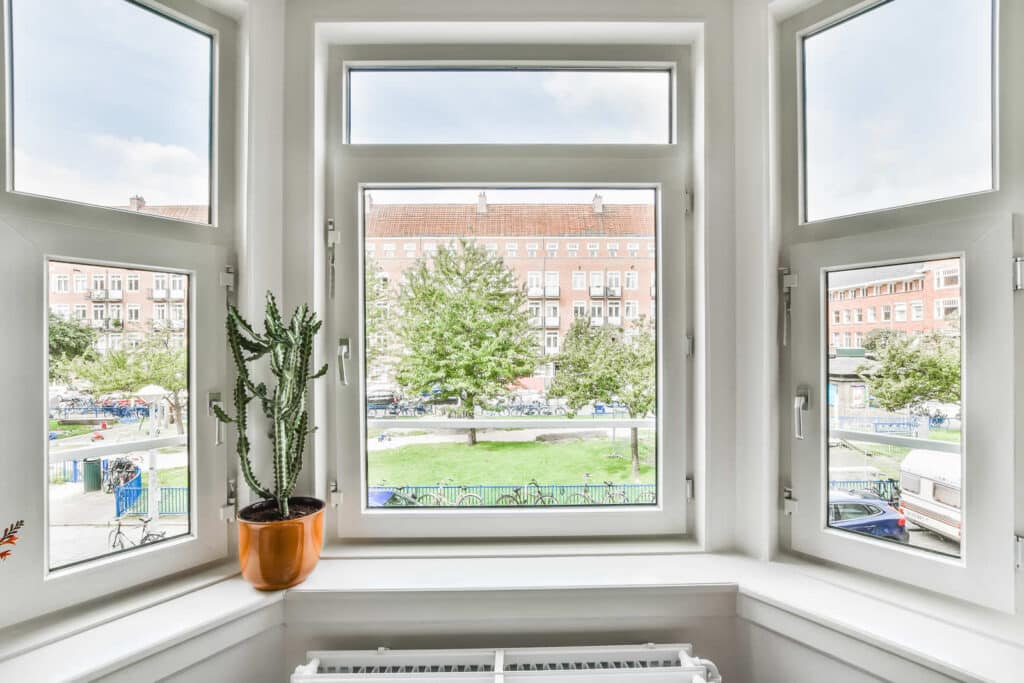
If you’ve got leaded windows at home, you already know they bring a lot of character. That old-world charm, those intricate lines, and the way light filters through—leaded glass is beautiful. But with that beauty comes a bit more responsibility. Cleaning leaded windows isn’t quite as straightforward as cleaning plain panes. You’ve got to be more careful, more gentle, and more patient.
So if you’ve been staring at your leaded windows, wondering how to clean them without causing damage, you’re not alone. In this guide, I’ll walk you through the whole process—from what to avoid to how to clean them properly, and how to keep them looking great without harming the glass or the lead.
What makes leaded windows different to clean?
Leaded windows have thin strips of lead—called cames—that hold together the smaller pieces of glass. These cames are softer than you might think. Over time, they can weaken, loosen, or even corrode if you clean them with harsh chemicals or scrub too hard.
The glass panels in leaded windows also tend to be older, thinner, or even slightly uneven in texture. So they don’t always respond well to modern sprays or rough cloths. You need a gentler touch—and the right method—if you want to keep them intact.
If your windows are decades old or part of a listed property, you might also be dealing with historic stained glass. That requires even more care. But even if yours are modern replicas, the cleaning method stays largely the same.
Why should you be careful when cleaning leaded windows?
Leaded windows are more fragile than standard ones, and the lead itself can get damaged if you clean it too often or too roughly. Scratching the glass, lifting the lead, or letting water seep through weak points can all shorten the life of the window.
A poorly cleaned window might look okay for a while—but small mistakes can build up. You might end up with cloudy glass, corroded lead, or even loose panes if water starts getting behind the cames.
When you clean them the right way, though, you’ll protect the leadwork, keep the glass clear, and help the window last for years. That’s what makes this worth doing right.
How do you prepare to clean leaded windows safely?
Before you start, it helps to gather the right tools and check the condition of your windows. Look for loose lead strips, cracks in the glass, or gaps where water could get in. If the windows feel shaky or badly worn, stop there and speak to a glazing specialist first.
If they seem in decent shape, you’re good to go. Here’s what you’ll need:
- A soft microfibre cloth or sponge
- A bowl of warm water
- A small amount of mild washing-up liquid
- A soft toothbrush (for corners and tricky edges)
- A clean, dry towel
- Cotton buds or soft detailing brushes (optional)
That’s it. No ammonia. No harsh glass cleaner. No abrasive pads or scrubbers. Stick with mild, simple products. If the windows are really dirty, you can add a splash of white vinegar to the mix, but only if the lead isn’t flaking or brittle.
What’s the best method for cleaning leaded windows by hand?
Start by dusting the windows. Use a dry, soft cloth or a dry paintbrush to gently remove any loose dust or cobwebs around the lead lines and frames. This helps prevent dragging dirt across the glass when it’s wet.
Next, dip your microfibre cloth into the bowl of warm, soapy water. Wring it out until it’s damp—not dripping. Wipe gently in small circles over each pane, following the shape of the glass and not pressing too hard.
If you see stubborn spots near the edges, use a dampened toothbrush or cotton bud to loosen them. Always work gently around the lead, not against it.
Once you’ve cleaned each pane, wipe them down with a clean, dry cloth or towel. This helps prevent water spots and removes any remaining smears.
Avoid leaving the windows wet. Water can seep into tiny gaps around the lead and cause damage over time.
Should you clean the lead itself?
You can wipe over the lead, but don’t scrub it. The lead is soft, and with age it can develop a natural patina that’s part of its protective layer. If you scrub this away, you’ll expose the metal and risk corrosion.
Just give it a gentle wipe with your cloth. If the lead looks dull, that’s normal. Don’t try to polish it—it’s better to keep it stable than to make it shiny.
Can you use vinegar or lemon juice on leaded windows?
Vinegar is often recommended for cleaning glass, and it can work on leaded windows—but only in very small amounts, and only if the lead is in good condition.
If the lead feels rough, flaky, or pitted, skip the vinegar altogether. It’s too acidic and can accelerate corrosion if it gets into any cracks or weak spots.
Stick to a 50/50 mix of water and vinegar, and test it on a small corner first. Even then, rinse it quickly and dry the window straight away. Never soak the area or leave it wet.
Lemon juice is similar—natural but still acidic. It’s better to avoid both if you’re not sure about the state of the leadwork.
What if your leaded windows are stained or cloudy?
Sometimes you’ll notice a cloudy film that doesn’t shift with regular cleaning. That can be caused by hard water, years of residue, or even fine scratches in the glass.
If it’s surface-level, a second clean with distilled water might help. Wipe gently with a damp microfibre cloth and dry thoroughly. Avoid buffing too hard—you could scratch the glass or disturb the lead.
If the haze is between the panes (in double-glazed leaded units), there’s not much you can do yourself. That usually means the seal has failed, and the only real solution is to have the unit replaced by a professional.
How often should you clean leaded windows?
You don’t need to clean them as often as standard glass. For leaded windows, less is more. Once every 2 to 3 months is usually enough, depending on where you live.
If you’re near the sea or on a busy road, you might need to do it more often due to salt and grime. But avoid cleaning them too frequently. It puts extra wear on the lead and increases the risk of water getting into small joints.
Try to stick to a light clean with a damp cloth each time, and only do a deeper wash when it’s really needed.
Should you clean leaded windows differently from inside and outside?
Yes, definitely. The outside usually takes more punishment from the weather, so you’ll probably need to spend a bit more time on it. Just be careful when using ladders or leaning against the frames—older leaded glass isn’t always the strongest.
The inside tends to collect more dust and fingerprints. Use a dry cloth first to get rid of loose particles, then follow up with the damp method mentioned earlier.
And keep an eye on moisture. If you see condensation inside the panes, or signs of damp near the lead lines, it might be worth speaking to a specialist to check the seals or ventilation.
Can you use a hose or pressure washer on leaded windows?
No. It might seem quicker, but it’s risky. A hose, especially at high pressure, can force water into gaps between the lead and glass. That speeds up wear, causes rot around timber frames, and might even damage the cames.
If the leaded window is part of a period home or has wooden frames, high-pressure water can cause swelling, leaks, and permanent staining.
Stick with a bowl of warm water, a soft cloth, and a steady hand. It might take longer, but you’ll protect the windows from long-term damage.
How do you keep leaded windows looking good between cleans?
To make life easier, you can take a few steps between cleans to keep things looking good.
- Keep curtains and blinds open during the day to prevent condensation build-up
- Use a soft duster or cloth every couple of weeks to lift surface dust
- If the weather’s been bad, give the outside a quick visual check for any damage
- Avoid candles or oil burners nearby—the residue can cling to glass
It’s also worth doing a proper inspection once a year. Check the condition of the lead, the glass, and the surrounding frames. Look for movement, gaps, or any flaking around the joins. If anything looks odd, don’t ignore it—early repair is always easier.
When should you get a professional in?
If the glass is cracked, the lead has gaps, or the windows feel loose or rattly, it’s best to speak to a professional window cleaner or glazing expert. They’ll know how to clean them safely—or tell you if repairs are needed before cleaning is even possible.
Also, if your windows are stained glass or original heritage pieces, always speak to someone who specialises in historic restoration. These types of windows need specialist products and handling.
So, what’s the takeaway when cleaning leaded windows?
Be gentle. Be patient. Be consistent.
Leaded windows are worth the extra care. They bring charm, value, and warmth to your space—but only if they’re looked after properly.
Don’t rush it. Take your time. Use soft cloths, mild soap, and never flood the glass. Dry everything fully and keep an eye on the frames. And when in doubt, don’t risk it—ask a professional.
By cleaning them the right way, you’ll help your leaded windows stay clear, bright, and strong for years to come. It’s time well spent—and your home will thank you for it.