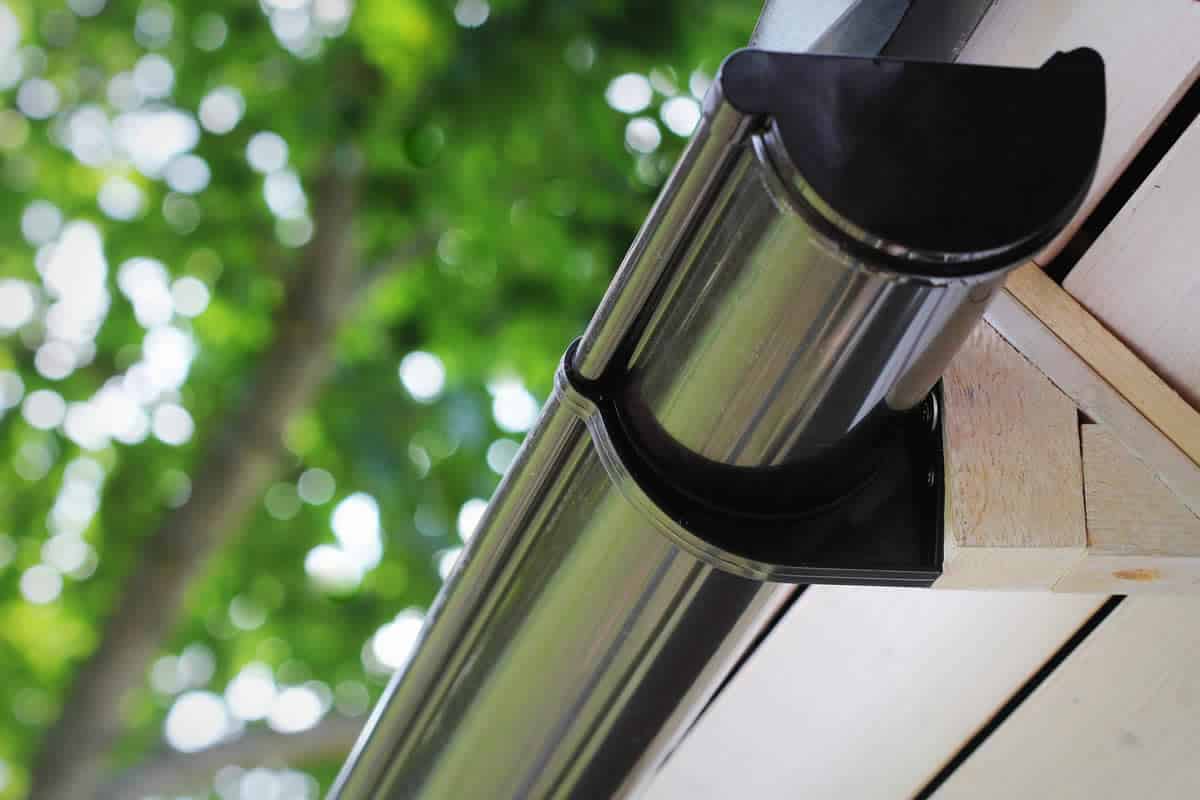
Gutter cleaning plays a crucial role in protecting your home, yet it is often one of the most overlooked maintenance tasks. When your gutters quietly collect rainwater and guide it away from your roof, walls and foundation, everything works exactly as it should. However, when debris starts to build up, a chain reaction of hidden damage begins — often long before you notice anything is wrong.
Keeping your gutters clear isn’t just about removing leaves or the occasional clump of moss. It’s about safeguarding your property from internal leaks, structural issues, pest invasions, and costly repairs. By taking the time to ensure water flows freely through your gutters, you give your home a stronger chance to stay dry, secure and long‑lasting.
Why Regular Gutter Cleaning Matters
Regular gutter cleaning matters because gutters are part of your home’s essential drainage system. When they’re blocked, water has nowhere to go, and that’s when problems begin. Clean gutters allow rainwater to move safely along its intended route, protecting your roof, fascia, walls and exterior surfaces.
Blocked gutters often lead to serious water overflow. When this water spills over the sides, it saturates the surrounding ground, seeps into your brickwork and increases the risk of damp inside the home. Over time, these small issues can grow into larger structural complications. By keeping gutters clean, you reduce these risks dramatically.
Before major seasonal changes, cleaning gutters ensures your home is prepared for heavy rainfall or harsh winter weather. It prevents sudden clogs, ice buildup and unexpected leaks caused by trapped water. A consistent cleaning routine makes your home more resilient and helps avoid unnecessary repair costs.
Common Problems Caused by Clogged Gutters
Clogged gutters can trigger a surprising number of issues throughout your property. When water can no longer flow freely, it collects in areas you don’t expect. This leads to hidden moisture that gradually damages your home from the inside out.
One of the first signs of a problem is water overflowing from the gutters. This overflow trickles down external walls, causes staining and makes surfaces more vulnerable to mould and algae. Over time, this stains brickwork and increases the risk of internal damp. The longer gutters remain blocked, the greater the chance that moisture spreads into insulation and wall cavities.
Clogs also add weight to the gutter system. When gutters are full of wet leaves, silt and moss, the brackets that hold them in place begin to strain. This extra weight may cause sagging or complete detachment from the fascia boards. What begins as a blockage can turn into an expensive repair if left untreated.
How Gutter Cleaning Protects Your Home
Gutter cleaning protects your home by directing water away from vulnerable areas. When water is controlled properly, it cannot accumulate around your foundations, leak into your roof or penetrate your walls. This single task works as a barrier against structural deterioration.
A clean gutter system shields your roofline from trapped moisture. Standing water at the edge of your roof can creep under tiles, damage underfelt and create small leaks that escalate over time. By clearing your gutters, you create an unobstructed path for water to move away quickly.
Your foundations also benefit from consistent gutter care. When gutters overflow, water pools around the base of your property. This softens the soil and increases pressure against the walls, eventually causing cracks. Clean gutters reduce this pressure and help keep your home stable.
Seasonal Gutter Maintenance Tips
Seasonal gutter maintenance is essential because weather changes directly affect how much debris collects. Each season brings different challenges, and adapting your cleaning schedule ensures your gutters stay functional throughout the year.
In autumn, falling leaves, twigs and seeds gather quickly. This is the most common time for blockages, so a thorough clean after the last leaves fall helps protect your home through winter. During winter, freezing temperatures can cause standing water to turn into ice. Removing debris beforehand reduces the chances of ice dams.
Spring brings fresh growth and pollen, which can settle inside gutters and form sludge when mixed with rainwater. A spring clean helps remove this early buildup. Summer often brings dry conditions, making it easier to brush out dust, dry leaves and loose moss.
A consistent yearly routine built around seasonal changes helps your gutters stay effective all year round.
Signs Your Gutters Need Cleaning
Your gutters often show warning signs long before serious damage occurs. Spotting these signs early helps you avoid bigger issues and allows you to clean them before water damage begins.
If you notice water overflowing the sides during rain, that’s one of the clearest indicators of blockage. Gutters are designed to channel water, not spill it. Overflow means water isn’t moving where it should.
Plant growth inside the gutters is another sign. Small weeds, moss or grass sprouting along the edges show that debris has settled long enough to support growth. This means your gutters aren’t draining properly.
Sagging or bending gutters also signal trouble. When debris gathers, the added weight pulls gutters downward. This distorts the angle and makes proper drainage even harder. If you spot this issue, cleaning is needed urgently.
How to Clean Your Gutters Effectively
Cleaning your gutters effectively begins with choosing a safe and steady method. Using a stable ladder and working slowly allows you to reach the full length of your gutter system without causing damage or risking injury. Removing debris by hand or with a gutter scoop is a reliable way to clear compacted leaves and dirt.
After removing the bulk of the debris, flushing the gutters with water helps clear finer particles. It also helps you identify any hidden blockages inside downpipes. If water fails to drain smoothly, gently tapping along the downpipe or using a flexible rod may help clear the obstruction.
Finishing with an inspection ensures everything is working properly. Checking seams, joints and brackets after cleaning helps you spot leaks or loose fittings early. This full process keeps your system working efficiently and prepares it for upcoming weather.
Preventing Future Gutter Problems
Preventing future gutter problems involves small but effective steps that maintain long‑term performance. Installing gutter guards or mesh covers reduces the volume of leaves and twigs entering your system. While they don’t eliminate the need for cleaning, they extend the time between each maintenance task.
Trimming overhanging branches also helps. Trees shed leaves, seeds and twigs throughout the year, and reducing the canopy above your roof lowers the chance of organic matter landing in the gutters. This simple step provides ongoing protection.
Regular visual checks after heavy rain allow you to spot issues early. If you see overflow, sagging or unusual staining on exterior walls, it’s worth inspecting your gutters again. These habits keep your home protected and reduce the likelihood of unexpected repairs.
Our Final Say!
Keeping your gutters free of debris is one of the most effective ways to protect your home from water damage, damp and structural issues. With regular cleaning, seasonal checks and a few preventative measures, you ensure your gutter system works exactly as intended. A clear drainage route keeps your home dry, stable and better equipped to face changing weather year after year.
By investing a little time into maintenance, you preserve the overall health of your property and avoid costly future repairs. Clean gutters support a safer, stronger home — and the benefits start the moment debris is removed.