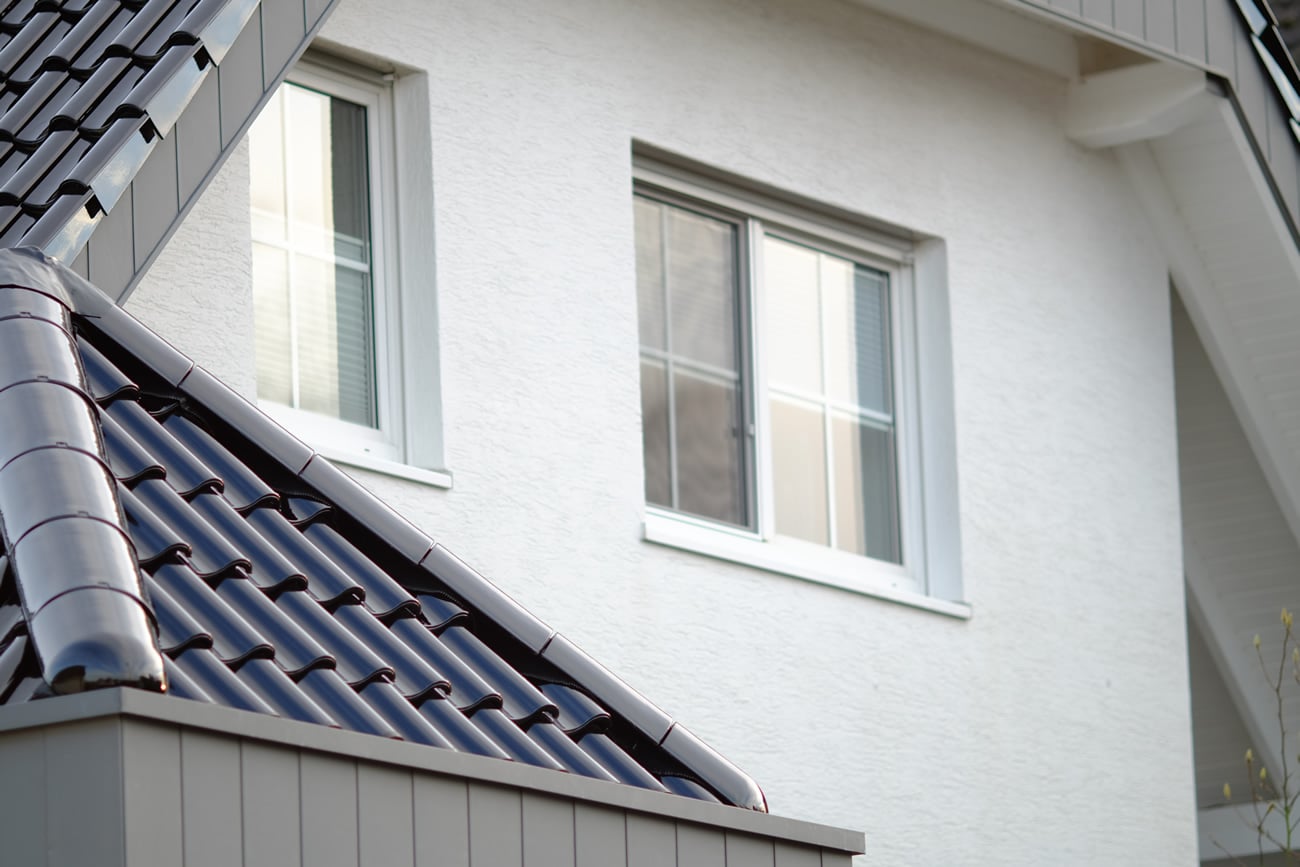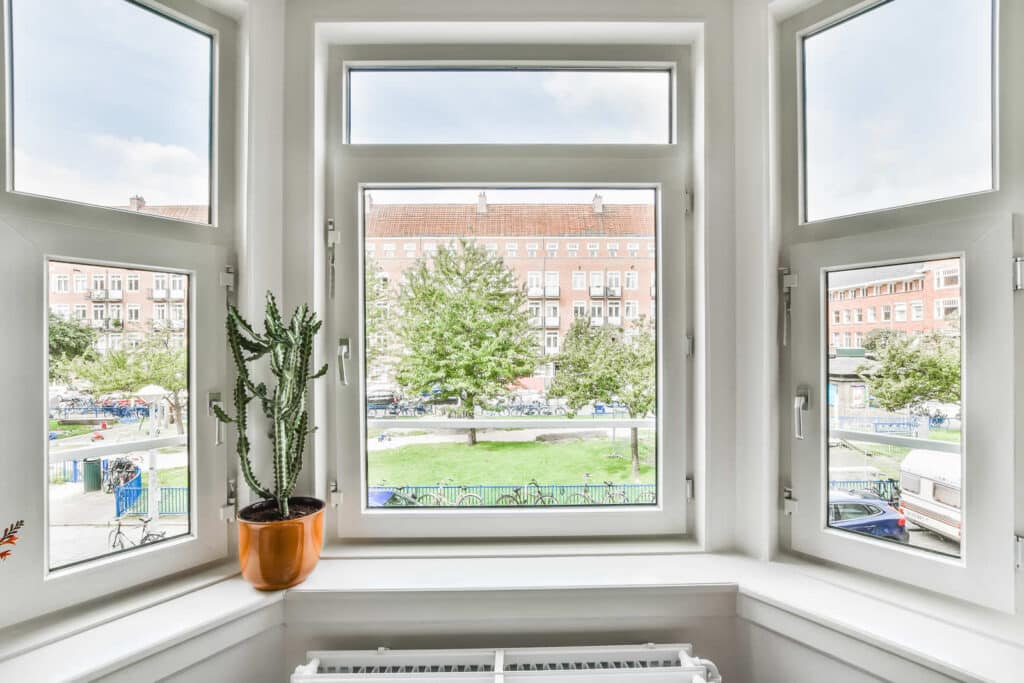
There’s nothing worse than sitting at home during a downpour and noticing water creeping in around your windows. It might be a slow drip onto the sill, damp patches on the wall, or in some cases, a steady stream of water running inside. Whatever the scale, a leaking window during heavy rain is more than just an irritation — it’s a sign something isn’t right.
Water leaks can quickly cause damage if left untreated. Paint starts to bubble, wallpaper peels, timber frames rot, and before long you’re also dealing with mould and damp. Aside from the damage to your home, it can feel stressful and unsettling knowing the next storm might bring water indoors again.
The good news is that window leaks can usually be fixed, once you know what’s causing them. Sometimes it’s as simple as resealing a gap in the frame. Other times, it’s a sign of poor installation or failed components that need proper repair. The key is figuring out the root cause, applying a safe temporary fix if you need to, and then planning for a lasting solution.
In this guide, we’ll take you through all of it step by step. We’ll look at why windows leak during heavy rain, how you can identify the source, what quick fixes you can apply in the middle of a storm, and the long-term repairs or replacements that keep your home dry for good.
Why Do Windows Leak During Heavy Rain?
Windows are designed to keep the weather out while still letting in light and fresh air when you need it. When rain gets in, it usually means one or more protective barriers have failed. Understanding the common causes helps you know where to start looking.
Damaged or Degraded Sealant
The sealant around your window frames is the first line of defence against rain. Over time, exposure to sunlight, temperature changes, and general wear causes it to crack, peel, or shrink. Once gaps appear, water has a direct path inside.
Poor Installation
Even brand-new windows can leak if they weren’t fitted correctly. If the frame isn’t square or wasn’t sealed properly during installation, rain can sneak through gaps. This is especially common if the property has shifted slightly over the years, creating spaces around the frame.
Warped or Damaged Frames
Wooden frames can warp or rot, creating gaps for water to enter. uPVC frames are less prone to this but can still suffer damage from impact or age. Once the frame doesn’t sit flush against the wall or sash, rainwater will find its way in.
Blocked Drainage Channels
Many modern windows include small drainage channels, often called weep holes, designed to let water escape if it gets inside the frame. If these are blocked with dirt or paint, water builds up until it eventually spills indoors.
Building Fabric Issues
Sometimes the problem isn’t the window itself but the surrounding structure. Cracked render, damaged flashing, or faulty brickwork can direct rainwater towards the window and overwhelm it. In these cases, the window is just the entry point for a wider problem.
Tips for Identifying the Source of the Leak
Before you can fix a leaking window, you need to know exactly where the water is coming from. Guesswork often leads to wasted effort or temporary fixes that don’t last. Here’s how to narrow it down.
Inside Checks
Start indoors. Look closely at the seals around the glass, the joints where the frame meets the wall, and the sill. Use a torch to see fine cracks or gaps. Run your hand gently around the area during rain to feel for moisture.
Outside Checks
Step outside and inspect the caulking where the frame meets the wall. Look for peeling, missing sections, or visible gaps. Check the condition of flashing above the window — this is the thin strip that directs water away. If it’s loose or cracked, rain may be pouring behind it.
Drainage Channels
Find the small weep holes at the base of your window frames. If they’re blocked with dirt or paint, poke them clear with a thin tool. Water trapped here can easily end up indoors instead of draining away.
The Sill
Check whether your sill slopes outward. If it’s flat or slopes inward, rainwater can collect and flow towards the frame rather than away from it.
Water Testing
On a dry day, you can use a hose or watering can to simulate rain. Gently pour water around different parts of the window and watch where it shows up inside. Always do this safely, and never climb ladders in poor conditions.
By taking time to locate the true source, you’ll avoid wasting effort on repairs that don’t address the real problem.
Quick Fixes for Leaky Windows During Heavy Rain
Sometimes you don’t have the luxury of time. The rain is falling, water is already dripping inside, and you just need to stop it fast. These short-term fixes can buy you time until proper repairs can be arranged.
Reseal Gaps with Silicone Caulk
If you spot obvious cracks in the exterior sealant, a quick bead of silicone caulk can block water immediately. Choose an exterior-grade sealant that’s flexible and weatherproof.
Apply Temporary Sealant Strips
Self-adhesive sealant strips or weatherproof tape can be applied directly over leaking joints. They won’t last forever but will hold up through a storm.
Clear Blocked Drainage Holes
If your weep holes are blocked, clearing them can release trapped water instantly. A cocktail stick or small screwdriver can work in a pinch, just be gentle to avoid damage.
Use Plastic Sheeting
For severe leaks, tape a sheet of plastic over the window frame inside or out. It’s not elegant, but it can keep rain out until help arrives.
Remember, these are temporary measures. They may stop water today, but they won’t hold up against the next storm unless the underlying cause is fixed.
Long-Term Solutions to Prevent Rain Leak Problems
To put an end to leaking windows for good, you’ll need a more permanent fix. Depending on the cause, one of these approaches should do the job.
Full Resealing or Reglazing
If the seals around your frame or glass have failed, a professional reseal can restore the barrier. Old glass units can also be removed and re-glazed into the existing frame if the structure is still sound.
Installing Storm Windows or Secondary Glazing
Adding an extra layer of protection reduces the pressure on your main window during heavy rain. Storm windows or secondary glazing create an additional barrier, making leaks less likely.
Repairing Flashing and Surrounding Structures
If the problem lies in cracked flashing or damaged brickwork, repairing these external features will protect your window. A builder or specialist can ensure water is channelled away from the frame properly.
Full Window Replacement
When windows are old, warped, or poorly installed, replacement is often the most cost-effective solution. Modern windows come with advanced seals, drainage, and insulation, giving you better performance and peace of mind.
Each option comes with its own costs and benefits, but investing in the right long-term fix will save you money on repeated temporary measures and avoid costly damage from ongoing leaks.
Frequently Asked Questions
How do I stop a window leaking during a storm?
Use temporary sealants, tape, or plastic sheeting to block the leak. Once the storm passes, arrange a proper repair.
Can I reseal a uPVC window myself?
Yes, you can apply new silicone sealant if the old caulk has cracked. Just make sure the area is clean and dry before applying.
Why does my new window leak?
Poor installation is often to blame. Even new units will leak if they weren’t sealed or fitted properly. Contact your installer to rectify it.
Do I need to replace the whole window?
Not always. If the frame is still solid, resealing or reglazing may be enough. Replacement is only necessary when the frame or structure has failed.
Our Final Say!
Leaking windows are never something to ignore. Even small drips can lead to major problems over time, from cosmetic damage to structural damp and mould. The key is acting quickly: identify where the water is coming from, apply a short-term fix if you’re caught in a storm, and then plan a permanent solution.
Whether it’s resealing, reglazing, repairing flashing, or replacing the unit entirely, there’s always a way to stop leaks for good. The sooner you deal with it, the less damage your home will suffer and the less money you’ll spend on repairs in the long run.
Call Abacus Window Cleaning Today!
At Abacus Window Cleaning, we know how frustrating leaking windows can be. Our team has the experience to spot the causes quickly and advise on the best fix, whether that’s resealing, repairing, or recommending a longer-term upgrade.
We don’t just clean windows — we help keep them in top condition so you can rely on them whatever the weather. By calling us, you’ll save yourself the stress of guessing what’s wrong and avoid the risks of DIY fixes that don’t last.
If you’re worried about water leaks in your windows, give us a call today on 01252 834238. We’ll be happy to take a look, offer expert advice, and make sure your windows are ready to stand up to the next downpour.