

Speak to one of window cleaning experts
Factory Window Cleaning
Factory Window Cleaning keeps industrial buildings, production sites and manufacturing premises safer, brighter and more presentable, and Abacus Window Cleaning provides structured commercial contracts for sites that need reliable external and internal glass maintenance.
From factory offices and loading bay windows to high-level glazing, warehouse elevations, staff areas, canopies and industrial unit glass, the service is planned around access, site safety, operating hours, machinery zones and long-term maintenance schedules.

Factory Window Cleaning for Commercial Contracts
Factory window cleaning needs a practical approach because industrial buildings are exposed to dust, traffic film, exhaust residue, weathering, production grime and constant site activity. Abacus Window Cleaning provides commercial factory window cleaning for manufacturing sites, industrial estates, production facilities, warehouses and mixed-use commercial premises where appearance, safety and operational planning all matter.
Factories often have several types of glass across one site. There may be reception windows, office glazing, staff welfare areas, loading bay glass, high-level windows, roofline sections, partition glass and external elevations facing yards or car parks. Each area may need a different cleaning method, especially where machinery, stock, vehicles or restricted access affect movement around the building.
A contract-based approach gives the site a clear schedule instead of leaving glass to become heavily soiled between occasional cleans. The work can be arranged around production hours, shift changes, delivery times and health and safety requirements so the cleaning fits the factory’s operation rather than interrupting it.


Industrial Glass, Office Windows and Loading Bay Areas
Factory sites usually combine industrial working areas with office, welfare and visitor-facing spaces. The front of the building may need to look professional for clients and suppliers, while rear elevations and loading zones often collect more grime from vehicles, pallets, forklifts and general yard activity.
Abacus Window Cleaning can separate the site into priority zones so the most visible areas are maintained more frequently while harder-working industrial sections receive scheduled attention. This is useful for factories with public entrances, staff offices, dispatch areas, production windows and external glass around service yards.
Factory window cleaning can include:
- Reception glazing, factory offices and staff welfare windows
- External elevations, high-level windows and industrial unit glass
- Loading bay windows, yard-facing glass and dispatch area glazing
- Frames, sills, lower panels and visible dirt traps around access points
This ensures the factory does not only look clean from the front. A structured cleaning plan helps maintain the whole building according to how each section is used.

How the Factory Window Cleaning Process Works
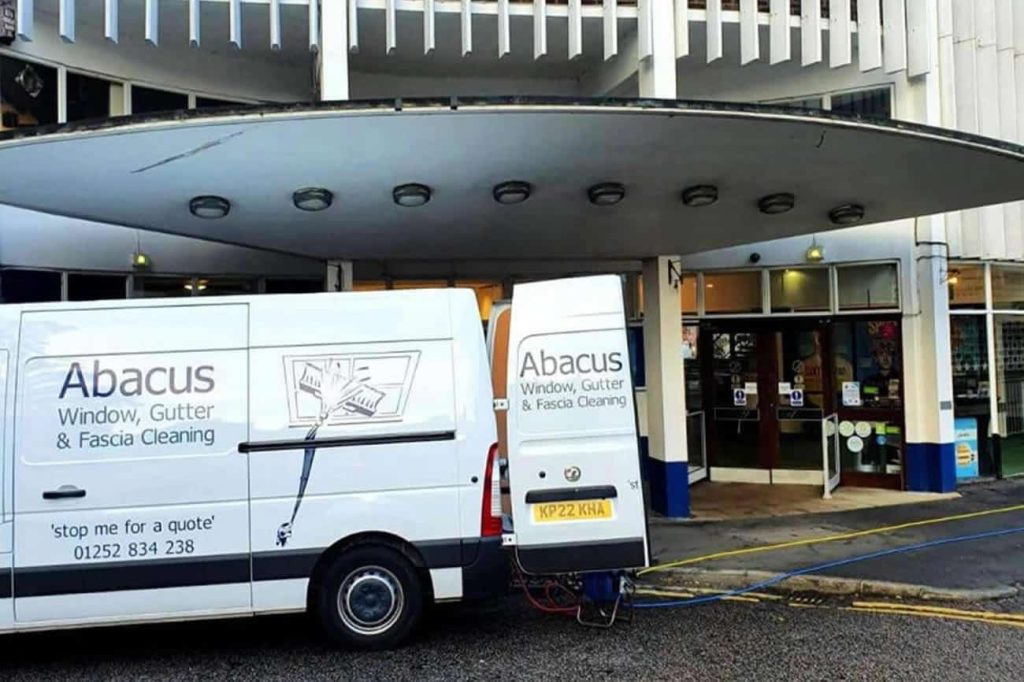
The process starts with a site review. The cleaning team looks at building height, glass layout, yard access, vehicle routes, machinery zones, staff areas, loading bays and any restricted sections. This matters because factories are active workplaces, and window cleaning must be planned around movement, safety and daily operations.
Once the site has been assessed, the factory can be divided into workable sections. External windows may be cleaned with purified water and reach systems where suitable, while internal office or reception glass may need traditional hand cleaning. High-level areas, canopies or awkward elevations may require a separate access method.
The usual process includes:
- Site walk-around, access review and risk-aware cleaning plan
- Agreement of cleaning frequency, working times and priority zones
- Cleaning with suitable equipment for industrial glass and high-use areas
- Completion checks around entrances, offices, elevations and loading zones
This process is used with factory window cleaning because the building is not a simple shopfront. The service must deal with commercial glass, operational pressure, industrial dirt and site safety in a controlled way.
High-Level Factory Windows and Safe Access Planning
Factories often have windows above loading bays, production areas, mezzanine offices, cladded elevations and warehouse-style units. These windows are not always easy to reach because plant, stock, vehicles, fencing and yard layouts can restrict access.
Safe access planning is one of the most important parts of industrial window cleaning. Some areas may be suitable for water-fed pole cleaning from the ground, while others may need closer review because of height, obstacles, fragile surfaces or limited space for equipment.
Access planning may include:
- Checking vehicle routes, loading bays and yard restrictions
- Identifying high-level glazing, roofline windows and awkward elevations
- Planning around machinery, stock, staff areas and delivery movements
- Choosing suitable cleaning methods for each section of the factory
This helps prevent missed windows and avoids unnecessary disruption. It also gives facilities managers a clearer understanding of what can be cleaned during each visit.
Commercial Factory Window Cleaning Contracts
Factory windows can become dirty quickly because industrial sites are exposed to vehicle movement, dust, emissions, production residue, rain, wind and outdoor storage areas. A planned contract helps keep the glass under control instead of relying on occasional one-off cleans when the building already looks neglected.
Abacus Window Cleaning can provide regular factory window cleaning contracts for manufacturing companies, industrial landlords, facilities managers and commercial property teams. The schedule can be monthly, bi-monthly, quarterly or arranged around the site’s operational needs.
A commercial contract can help with:
- Predictable cleaning standards across offices, entrances and production buildings
- Reduced heavy grime build-up on external glass, frames and sills
- Better planning around shifts, deliveries, site inductions and access times
- Clearer budgeting for facilities managers and multi-site operators
Regular cleaning also means the first visit can deal with existing dirt before future visits maintain the standard more efficiently.
FAQs
Factory window cleaning is usually quoted after a site review because industrial buildings vary widely in size, height, glass layout and access. Smaller factory offices or single industrial units may start from around £150 to £350 per visit, while larger factories, production sites and complex commercial contracts can range from £500 to £2,000+ depending on scope.
The price is affected by glass quantity, access restrictions, cleaning frequency, the level of industrial grime and whether internal windows, high-level glazing or loading bay areas are included. Regular contracts often offer better value per visit than one-off cleans because the glass is kept under control.
The main pricing factors are building size, number of windows, working height, access method, site restrictions and how dirty the glass is. Factory windows exposed to yard traffic, production dust, forklifts, road film and weathering usually take longer than standard office glass.
Pricing also changes when the work must be completed outside production hours or around delivery schedules. If specialist access, extra staff, inductions or detailed risk planning are needed, those requirements are reflected in the quote.
Yes, Abacus Window Cleaning provides commercial factory window cleaning contracts for industrial units, manufacturing buildings, warehouse sites and production facilities. Contracts can be arranged around the site’s preferred frequency, access arrangements and operational requirements.
A contract gives facilities managers a predictable service rather than arranging individual cleans each time the glass becomes dirty. It also helps maintain reception areas, office windows, loading bay glazing and high-level glass throughout the year.
Factory window cleaning starts with a review of the building, access points, glass areas, yard activity and safety considerations. The site is then split into sections so offices, entrances, production elevations and loading areas can be cleaned in a practical order.
The method may include purified water systems, traditional hand cleaning, reach equipment or a combination of approaches. The chosen method depends on height, dirt level, access restrictions and whether the glass is internal or external.
Factory windows can often be cleaned during working hours if the work is planned around staff movement, deliveries, machinery areas and vehicle routes. The cleaning team may work through agreed sections to avoid interfering with production or dispatch.
Some sites prefer cleaning before shifts, after hours or during quieter periods. This is usually decided during the planning stage so the service fits the factory rather than interrupting it.
Factory window cleaning can include external elevations, office windows, reception glass, staff welfare areas, loading bay windows, internal partitions, high-level glazing, warehouse windows and visitor-facing entrance areas. The exact scope is agreed before the contract starts.
Many factories have mixed-use glass across one site, so it is useful to separate priority areas from lower-visibility sections. This helps control costs while keeping the most important parts of the building presentable.
Yes, high-level factory windows can be cleaned where safe access is available. Many industrial buildings are suitable for water-fed pole cleaning, although some elevations may need a separate access review because of height, canopies, stock, fencing or yard restrictions.
High-level cleaning should be planned carefully before work begins. This helps identify which windows can be reached from ground level and which areas may require a different method or additional arrangements.
Factories are commonly cleaned monthly, bi-monthly or quarterly, depending on dirt levels, visibility and the type of industrial activity on site. Buildings near busy roads, loading yards or dusty production areas may need a more frequent schedule.
Reception glass and office areas may be cleaned more often than high-level rear elevations. A split schedule can keep visible areas clean while managing the cost of harder-to-reach sections.
Yes, internal factory windows can be included where access is available. This may include office partitions, reception glass, production viewing panels, staff area windows and internal doors with glazing.
Internal glass often collects fingerprints, dust and smears rather than weather marks. It may need hand cleaning and detailed finishing, especially in offices, meeting rooms and visitor-facing areas.
Yes, loading bay windows can be cleaned as part of the factory window cleaning service. These areas often collect grime from lorries, forklifts, pallets, dust, road film and general yard activity.
Access around loading bays must be planned carefully because vehicles and deliveries may affect working space. Cleaning can be scheduled around quieter periods or agreed loading times to improve safety and efficiency.
Purified water is often suitable for external factory window cleaning because it helps clean glass, frames and sills without leaving ordinary tap-water marks. It is commonly used with water-fed pole systems for industrial buildings.
Some areas may still need hand cleaning, especially heavily marked lower-level glass, internal windows or sections affected by grease and stubborn residue. The method is selected based on the condition of the glass and the access available.
Factory windows may need an initial deep clean if they have not been maintained for a long time. Industrial grime, algae, traffic film, mineral spotting and dirt around frames can build up heavily on neglected glass.
After the first clean, regular maintenance is usually quicker and more cost-effective. This is why many sites start with a one-off restorative clean before moving to a scheduled commercial contract.
Yes, cleaning can be arranged around shifts, opening hours, production schedules and delivery windows. Factory sites often need more coordination than standard commercial buildings because different parts of the site may be busy at different times.
Agreeing the working times in advance helps avoid disruption. It also allows managers to notify staff, control vehicle movement and make sure key access areas are available when required.
Yes, Abacus Window Cleaning can provide window cleaning for individual industrial units, multi-unit estates, business parks and manufacturing premises. The service can be arranged for one building or several commercial units under a planned schedule.
Industrial estate work often benefits from route-based planning. If several units need cleaning, the schedule can be organised efficiently so the service is consistent across the site.
Yes, frames and accessible sills can be included within the factory window cleaning scope. This is important because industrial dirt often collects around edges, vents, lower frames and weather-exposed sections.
Cleaning the glass only can leave the building looking unfinished if the surrounding frames remain dirty. Including frames and sills gives the windows a more complete and professional finish.
Factory window cleaning planning considers access, working height, vehicle routes, pedestrian areas, machinery zones, ground conditions and site-specific rules. These details help decide how the work should be completed safely.
Facilities teams may also require RAMS, inductions, sign-in procedures or agreed working zones. These requirements should be discussed before the visit so the cleaning team can work in line with site expectations.
Food production sites can often be cleaned, but the work needs to be planned around hygiene rules, production areas, access restrictions and approved site procedures. External glass is usually simpler than internal areas near sensitive operations.
Before cleaning begins, the scope should be agreed with the site manager or facilities team. This ensures the correct areas are cleaned without affecting production, hygiene controls or staff movement.
Rooflights and skylights may be possible depending on safe access, roof condition and the type of glazing. These areas often need separate assessment because roof work and fragile surfaces carry additional risks.
If rooflights are included, the method must be agreed before the job is booked. Some sites may require specialist access arrangements rather than standard window cleaning methods.
Yes, one-off factory window cleaning can be arranged for inspections, audits, refurbishment handovers, lease changes, open days, photos or when the building needs a general refresh. One-off cleans are often more intensive than regular maintenance visits.
If the glass has not been cleaned for some time, the first clean may take longer because grime around frames, sills and high-level areas can be more stubborn. Regular cleaning after that helps maintain the result.
Abacus Window Cleaning provides organised factory window cleaning for commercial contracts, with attention to access, industrial dirt, site safety, working times and the different glass areas found across factory buildings.
The service is designed for facilities managers, manufacturers, industrial landlords and commercial sites that need reliable cleaning rather than occasional reactive work. This gives the building a more consistent standard throughout the year.